

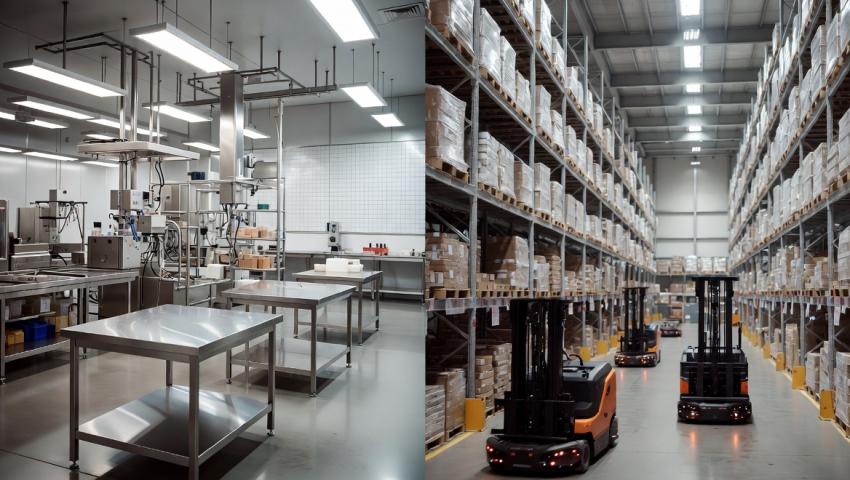
Sectoral Innovation: Advanced Solutions in Food and Logistics
 By ONUR İÇLİ
- Sectoral Innovation
- May 03, 2026
- 4 minutes read
- 14 Views
Driven by a vision of sectoral innovation, Mesçi Group shares the technological advancements shaping the future and enhancing efficiency across food and logistics processes.
Introduction: Sectoral Innovation as the Pioneer of Change and Efficiency
In today's rapidly evolving global market conditions, achieving sustainable success and maintaining a competitive advantage is only possible through continuous development. This is precisely where the concept of sectoral innovation comes into play. Sectoral innovation is not merely about launching a new product; it is about driving maximum efficiency by transforming all operational processes—from the supply chain to the customer experience—through technology, data, and novel business models.
At Mesçi Group, we blend our decades of corporate expertise with an innovative vision. Specifically within the food and logistics sectors where we operate, we closely monitor global trends and optimize our processes with the latest technologies to elevate our service quality to the highest level. In this article, we provide an in-depth analysis of how innovative technologies perfect operations in food and logistics, which form the backbone of the service industry.

The Fundamentals and Strategic Importance of Sectoral Innovation
Traditional business models often fall short in meeting today’s expectations for speed and quality. The most effective way to elevate service standards while reducing operational costs is to integrate innovative strategies into workflows. A sound innovation strategy empowers companies to plan not only for today but also for the future.
Core Contributions of Innovation to Business Processes:
- Speed and Optimization: Preventing time loss through the automation of manual processes.
- Cost Management: Minimizing operational expenses through the highly efficient utilization of resources.
- Transparency and Trust: Enhancing customer satisfaction by ensuring processes are digitally traceable.
- Sustainability: Reducing the carbon footprint via environmentally conscious transportation and production models.
Technological Transformation and Speed in the Logistics Sector
Logistics is not merely the transportation of goods from one point to another; it is the art of executing this process in the safest, fastest, and most cost-effective manner. Sectoral innovation in logistics signifies the interconnectivity of all links within the supply chain through digital networks. For organizations conducting large-scale operations like Mesçi Group, this integration is of critical importance.
Smart Supply Chains and Route Optimization
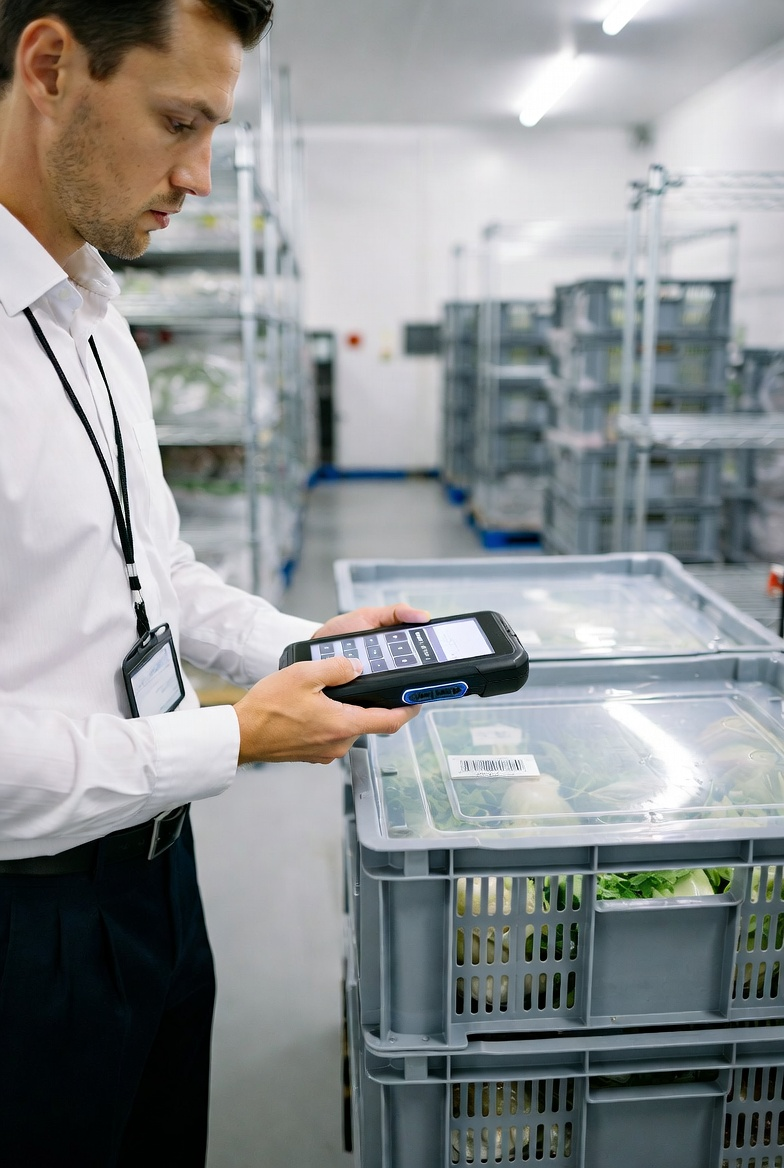
The integration of the Internet of Things (IoT) and artificial intelligence-supported software into logistics operations has revolutionized supply chain management. The real-time tracking of vehicle fleets, coupled with AI determining the most efficient routes by instantly processing traffic and weather data, not only ensures fuel efficiency but also significantly reduces delivery times. Furthermore, through smart Warehouse Management Systems (WMS), inventory levels are automatically monitored, thereby reducing the margin of error in storage processes to zero.
Innovative Approaches and Safety in the Food Industry
Because it directly impacts human health, the food sector is an industry with zero tolerance for error, requiring the highest quality standards. Throughout the delicate farm-to-table process, sectoral innovation serves as the greatest asset in ensuring both food safety and the preservation of product freshness.
Uninterrupted Cold Chain and Traceability
The most critical phase in food logistics is the maintenance of the "cold chain." Next-generation smart sensors measure and record temperature and humidity levels second by second during transportation and storage. In the event of a temperature fluctuation, the system instantly generates an alert, eliminating the risk of product spoilage. Additionally, through blockchain-based traceability systems, the entire history of a food product—from its production date to its transit conditions—is transparently recorded. This transparency provides maximum assurance to both consumers and business partners.
Digitalization and Industry 4.0 Integration
The fundamental driving force behind all these innovations in both the food and logistics sectors is digitalization. The data-driven operational principles introduced by Industry 4.0 enable companies to be "proactive" rather than reactive.
- Predictability through Data Analytics: Forecasting future demands and logistical requirements with high precision by analyzing historical operational data.
- Autonomous Systems: The deployment of robotics technologies for in-warehouse product transportation and sorting operations.
- Zero-Waste Policies: Preventing food spoilage and logistics-related waste through intelligent planning.
Conclusion: Sustainable Growth through Innovative Steps
Sectoral innovation is the primary key to success today. Organizations that integrate the right technologies and modern management strategies into their processes consistently position themselves as the standard-bearers within their industries. At Mesçi Group, we constantly aim for the highest quality in our food and logistics services, continuing to deliver value to our business partners through innovative steps. With our robust infrastructure and expert team, we elevate operational excellence to a higher level every single day.